BOORYUL-BAH-BILYA CONSERVATION AUDIT
The BoorYul-Bah-Bilya Conservation Audit is a landscape-scale conservation audit to document the ecological health of the river and establish a baseline to measure future changes. It aims to answer the following questions:
- How healthy is the river?
- How can we improve the river’s health
To help us answer these questions, we are undertaking:
- Water and sediment sampling
- eDNA sampling
- Fauna camera monitoring
- Weed and vegetation surveys and mapping
- Data review
WATER AND SEDIMENT SAMPLING
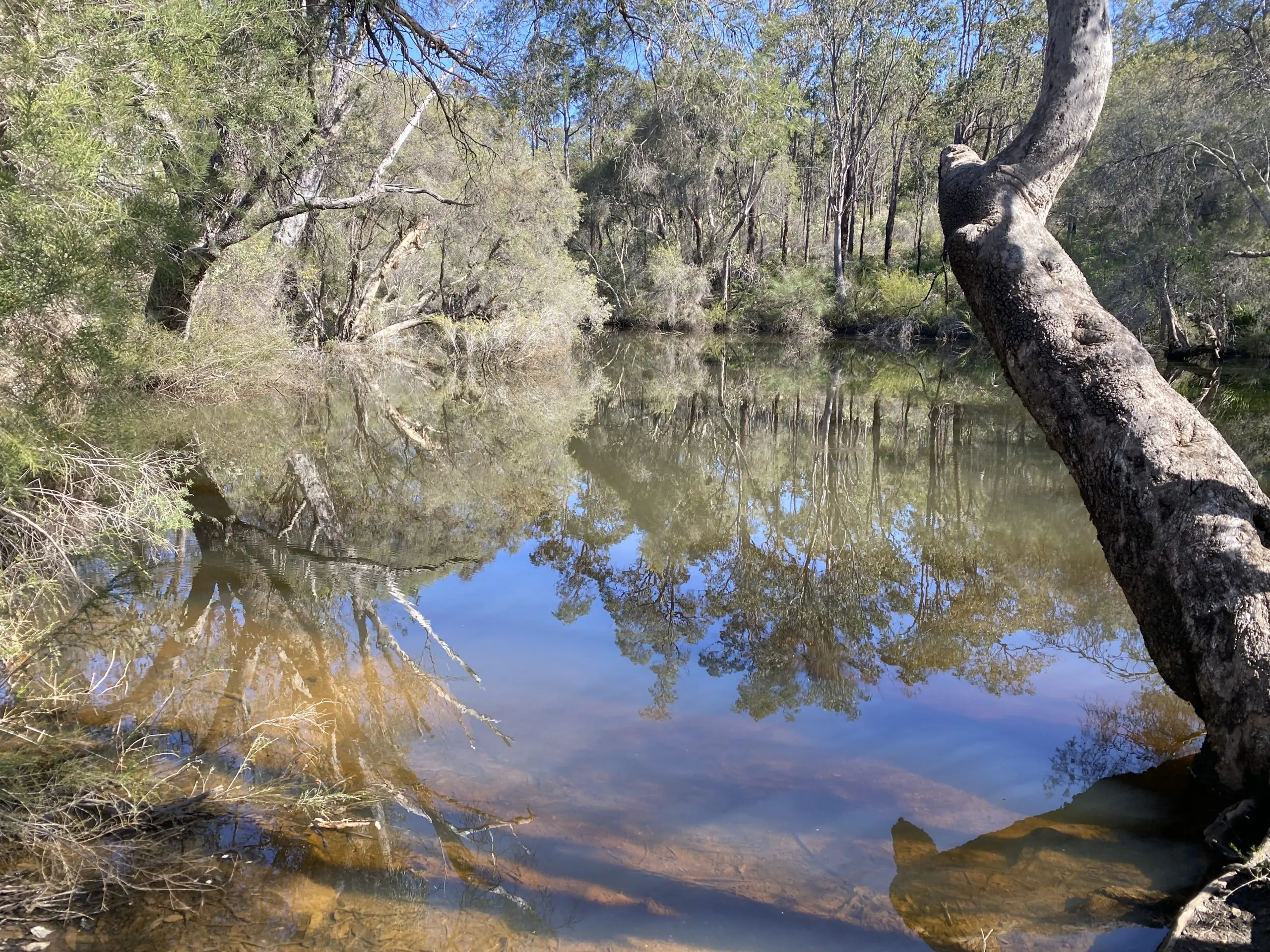
In September 2024 and 2025, we sampled surface water and sediment from across the Mandoon Bilya (Helena River) catchment to:
- Improve our understanding of the river’s health.
- Establish a multi-year baseline of water and sediment quality to inform river restoration work and measure future change.
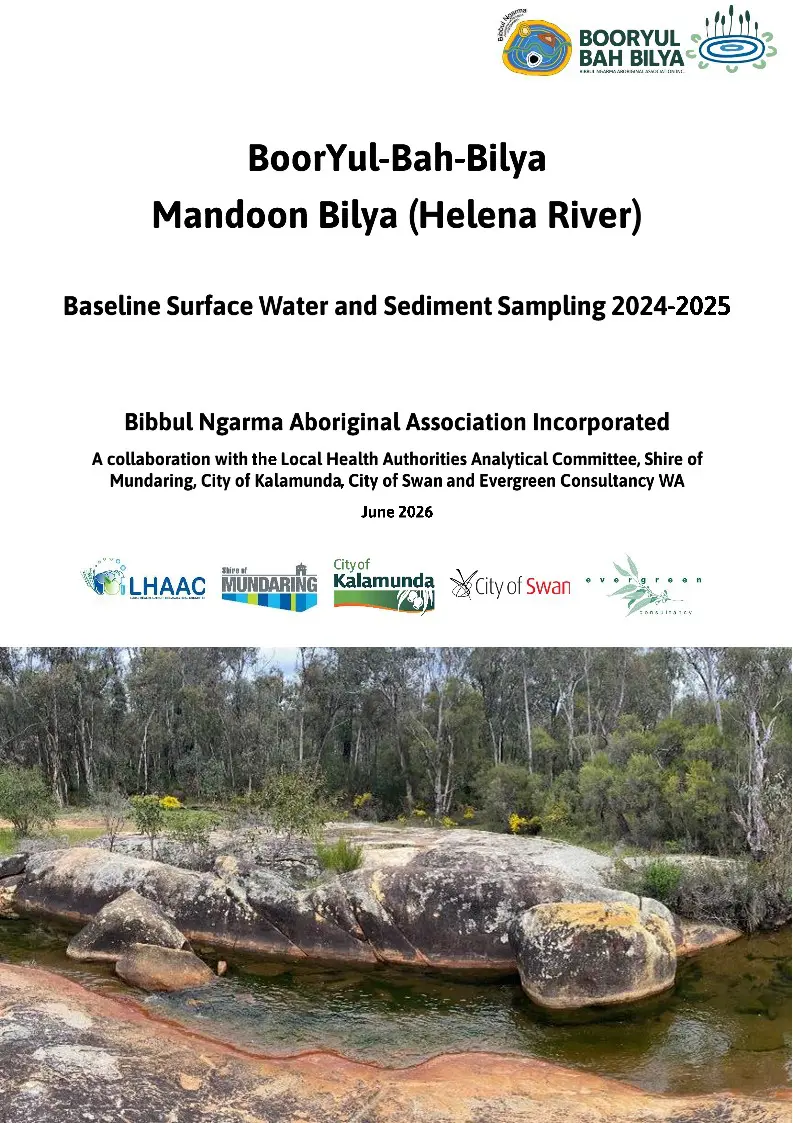
The sampling results are presented in THIS REPORT, as summarised below:
- Water Quality: The river is predominantly fresh with neutral pH. It has elevated dissolved particles and areas of low dissolved oxygen.
- Nutrients: The river contains elevated nutrients, mostly as nitrogen. Total oxidised nitrogen and nitrate were an order of magnitude higher in Piesse Brook, a tributary of Mandoon Bilya, than at other sites.
- Metals: The river contains elevated metals. These include naturally occurring metals like iron, manganese and aluminium, as well as those that may be due to human activities such as chromium and lead.
- Microbes: The river contains elevated microbes. Escherichia coli (E. coli) and Enterococci were detected at all sites and Thermophilic Amoeba at three sites. Naegleria fowleri were not identified at any site.
- Herbicides and Pesticides: Pesticides were detected at four sites and herbicides were not detected at any site, however previous sampling required passive techniques to detect these chemicals at low concentrations.
- Hydrocarbons: The river’s sediment contains elevated hydrocarbons although they are not present in leachable form. It is unknown if they are naturally occurring or due to human activity.
- PFAS: The river contains elevated per- and polyfluoroalkyl substances. Concentrations were highest in the lower catchment.
- Surfactants: The river contains elevated surfactants.
eDNA SAMPLING
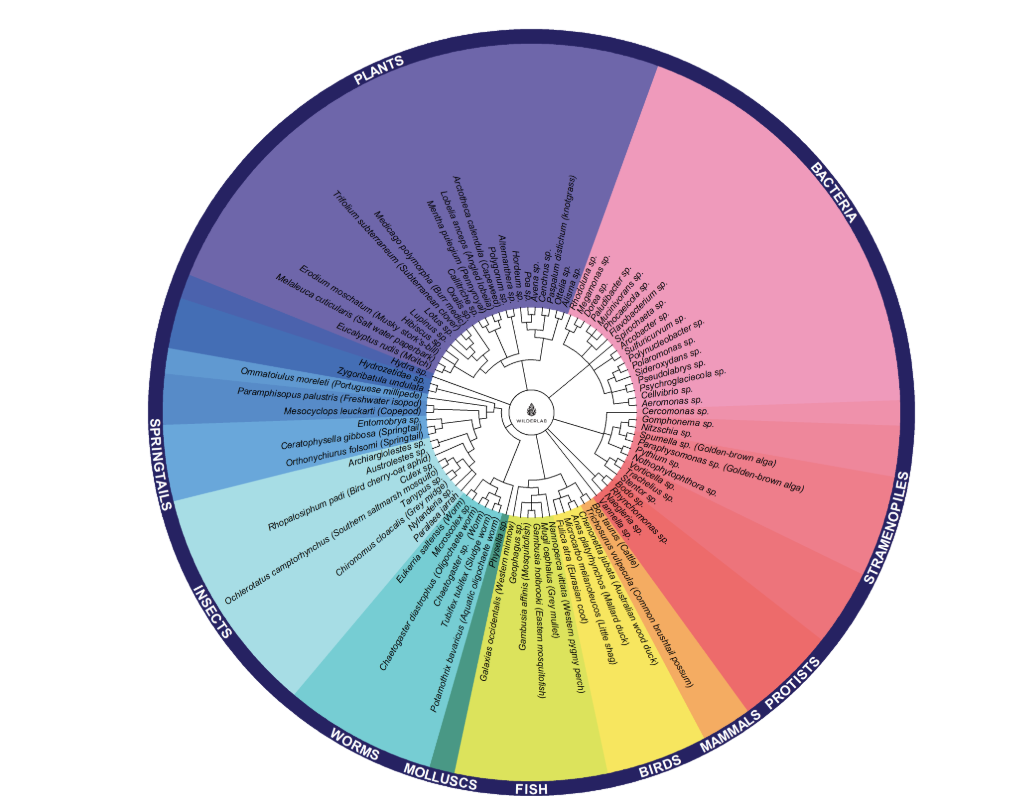
With support from Lotterywest and Edith Cowan University, environmental DNA (eDNA) water sampling was undertaken across the Mandoon Bilya (Helena River) in two key sampling events:
- Oct/Nov 2025 – end of winter: 89 sites / 178 samples
- March 2026 – end of summer, before winter rains: 34 sites / 68 samples*
* This batch also includes 4 samples collected from 2 sites in December
2025 as part of DWER’s Healthy Rivers assessments.
In total, the dataset cover 94 unique sites across the catchment, including 5 sites added in March 2026 where water persisted at the end of summer. Around 2/3 of the sites were dry during that event. Sampling included a range of environments, mainly the river and waterways, as well as dams, ponds, lakes and a ngarma.
The results will be reported soon.
FAUNA CAMERA MONITORING
We have placed fauna cameras across the Mandoon Bilya catchment to monitor the presence of animals.
The cameras have observed native animals such as chuditch, phascogale, as well as feral pests such as foxes and cats.
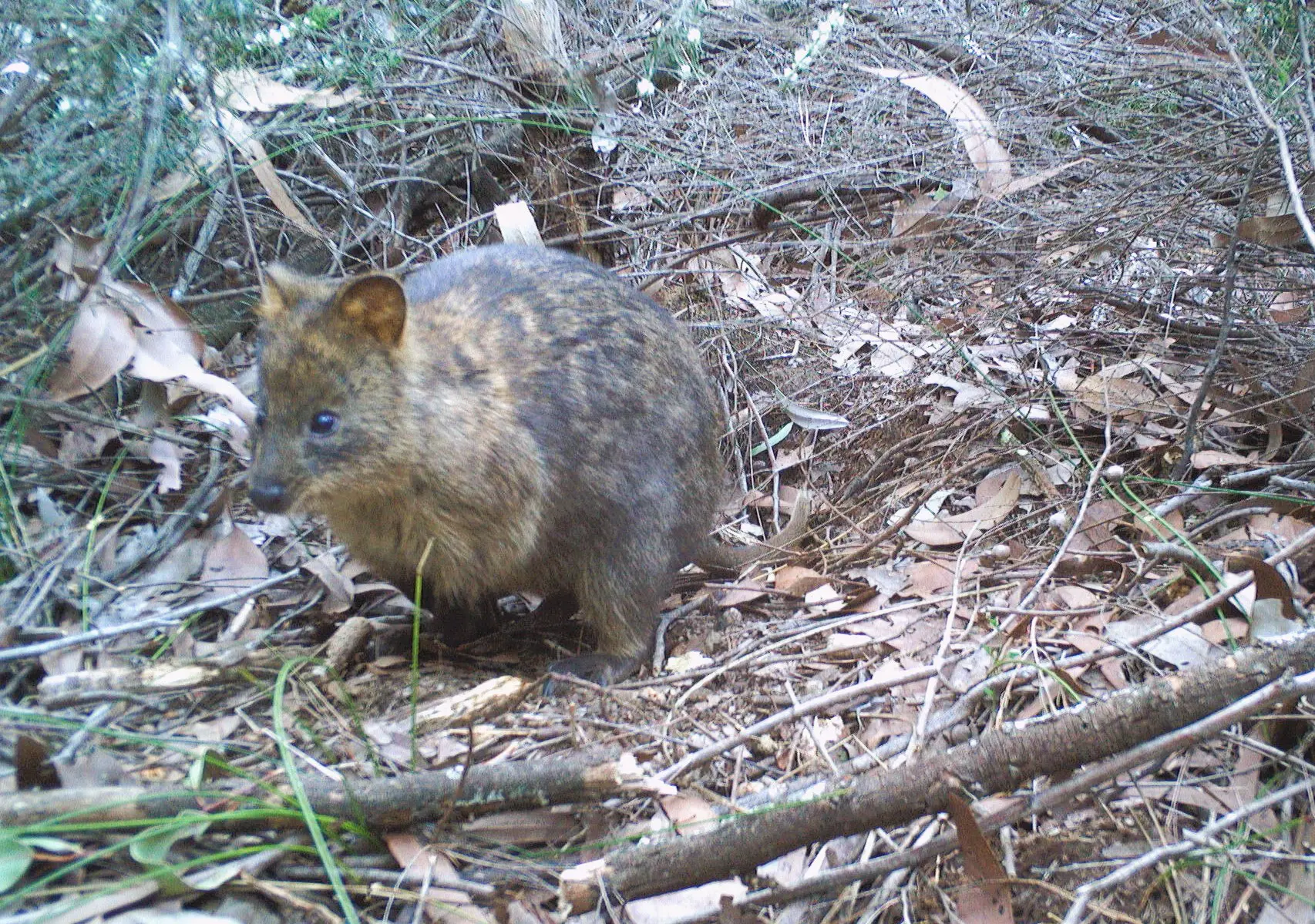
In 2024, we were very excited to discover a new quokka population in the catchment.
This is the first time that quokkas have been photographed in the Perth Hills by the general public and is an exciting discovery for conservation of the species.
We are looking forward to learning more about them and how to help them thrive.
But before you head to the hills, the best place to see quokkas is still on Wadjemup-Rottnest Island!